
The Rhythm of a Home in Autumn
There is a particular moment at the beginning of autumn when the rhythm of life begins to shift again.
The long evenings become shorter. Mornings feel quieter. Daily routines return with more structure, and gradually, attention moves back towards the home, not simply as a place to pass through, but as somewhere deeply lived in once again.
It is often during this season that people begin to notice their surroundings differently. Spaces that felt effortless during summer can suddenly feel exposed, underlit, or lacking comfort. Certain rooms become less inviting. Storage feels insufficient. Lighting feels harsher earlier in the day. The home begins to reveal where it supports everyday life well and where it quietly does not. Autumn has a way of making us more aware of how a home truly functions.
A Home Should Evolve With the Seasons
The most considered homes are never static. They adapt naturally to the changing pace of life throughout the year.
This does not necessarily mean redesigning interiors seasonally or introducing obvious references to autumn. More often, it is about atmosphere: softer lighting, layered textures, warmer tones, and spaces that feel capable of holding slower evenings and more time spent indoors. Well-designed homes respond gently to these shifts. They feel grounding rather than heavy, calm rather than overly styled.
Often, the difference is found in subtle details. A room with thoughtful lighting feels entirely different at 5pm in October than one designed only for daylight hours. Upholstery with texture creates warmth without visual clutter. Joinery that once seemed sufficient reveals whether it genuinely supports the rhythm of daily life.
Good design becomes more noticeable when the season changes.
The Importance of Lighting
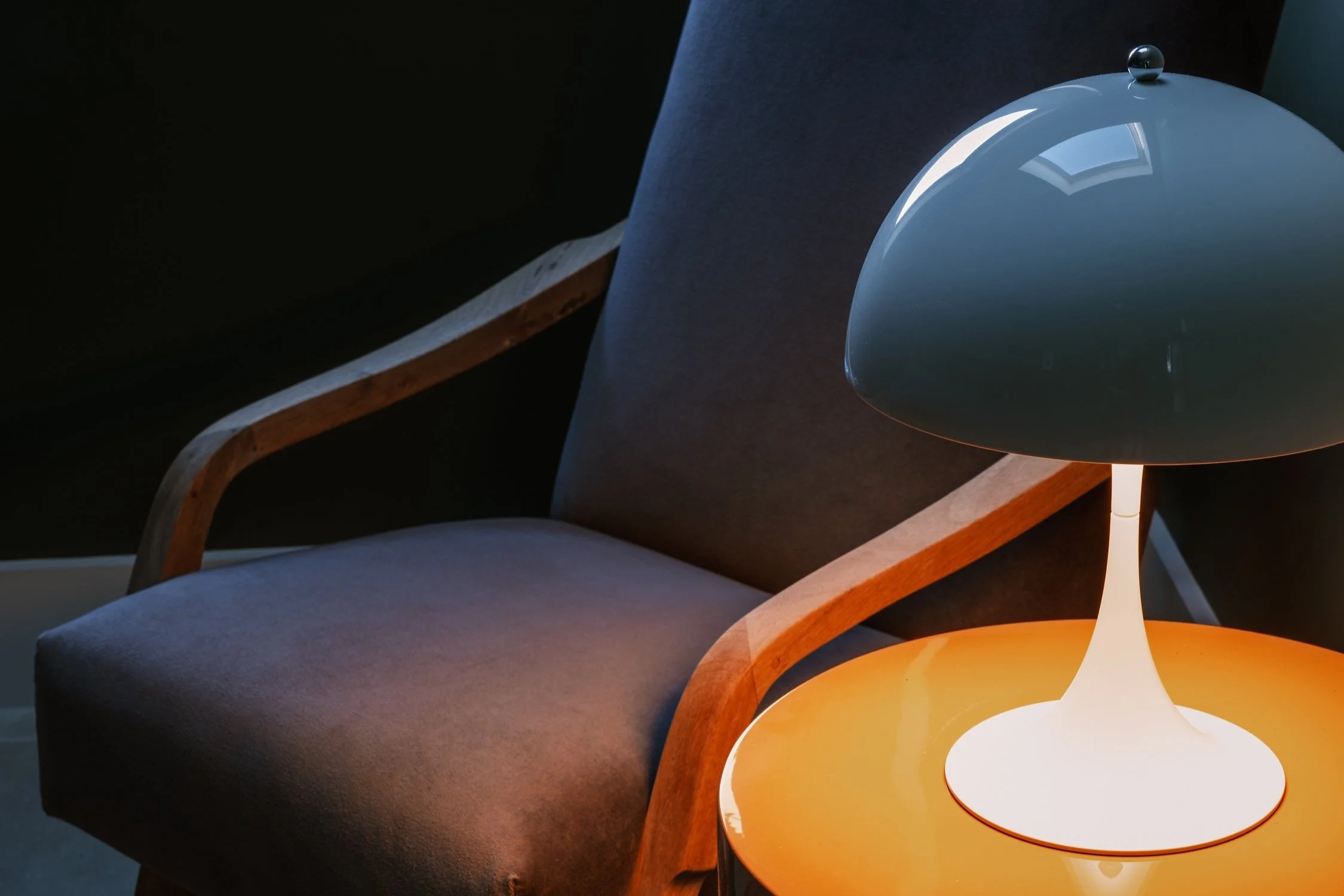
As natural daylight shortens, lighting becomes one of the defining elements of a home’s atmosphere. Yet lighting is frequently approached too technically, focused on brightness rather than experience. In reality, the most successful interiors use lighting to create layers, softness, and a sense of transition throughout the day.
A single overhead light rarely creates comfort. The homes that feel inviting in autumn tend to rely on multiple sources of light working together quietly: table lamps, wall lights, concealed lighting, softer pools of illumination that create intimacy rather than uniform brightness.
Light shapes mood as much as architecture does.
This is particularly important in open-plan spaces, where thoughtful lighting helps create a sense of rhythm and purpose within different areas of the home.
Comfort and Sophistication Are Not Opposites
There can sometimes be a misconception that refined interiors must feel formal. In reality, the homes people are most drawn to are usually the ones that balance sophistication with ease. Autumn naturally invites a greater sense of comfort into the home, but comfort does not need to come at the expense of elegance.
Layered materials, natural textures, warm timber tones, softer upholstery, and considered colour palettes all contribute to spaces that feel welcoming without becoming overly decorative. The most luxurious homes often feel composed rather than styled, comfortable enough to live in fully, yet still deeply intentional.
That balance is what gives a home longevity.

Returning to Routine
There is also something revealing about the return to routine itself.
The beginning of autumn often exposes the practical realities of how a home functions day to day. Entryways become busier. Kitchens work harder. Living spaces accommodate both quiet evenings and productivity again. Areas that once felt adequate may begin to feel unresolved.
This is often where thoughtful interior design matters most, not in dramatic gestures, but in how seamlessly a home supports daily life. The homes that continue to feel calm during busy periods are rarely accidental. They are usually designed around rhythm, habit, movement, and the emotional experience of living there over time.
Final Thoughts
Autumn tends to bring people back to the home with fresh perspective.
Noticing what feels comforting. What feels unresolved. Which spaces restore energy and which quietly drain it. The season encourages a slower kind of observation, one that often reveals what matters most in design. The most enduring interiors are rarely the ones designed only to impress. They are the ones that continue to support the people living within them as life shifts, routines return, and the seasons quietly change around them.
