
How to Create a Home That Feels Welcoming
There is a particular feeling that only certain homes seem to create. You notice it almost immediately. As you walk through the door, you feel it, without really thinking about it, you exhale. It has very little to do with the size of the house, the value of the furniture, or how perfectly everything has been styled.
Instead, it comes from something less tangible.
A sense that the home understands the people who live there.
As designers, we often find that this is what clients are truly searching for. They may arrive with a Pinterest board or a list of rooms they'd like to update, but beneath those conversations is often a much simpler ambition:
"I want my home to feel right."
A home should welcome you
The most successful interiors aren't designed to impress guests for a few hours, they're designed to support the people who live there every single day. That means thinking beyond finishes and furniture. It means considering how light changes throughout the day. Where you naturally pause. Where conversations happen. Where you read, work, cook, entertain, or simply enjoy a quiet cup of coffee.
These are the moments that shape a home far more than any individual design feature.
Atmosphere is designed, not decorated
When people describe a home as "welcoming," they're rarely talking about one specific object. They're responding to atmosphere. That atmosphere is created through hundreds of considered decisions working together.
Natural materials that soften a space.
Lighting that changes with the time of day.
A layout that feels effortless to navigate.
Colours that create calm rather than compete for attention.
Furniture arranged for conversation rather than simply filling a room.
The most luxurious homes rarely announce themselves. They simply make you feel comfortable enough to stay a little longer.
Five ways to create a more welcoming home
Creating a home that feels welcoming doesn't always require a complete renovation. Often, it's the quieter changes that have the greatest impact.
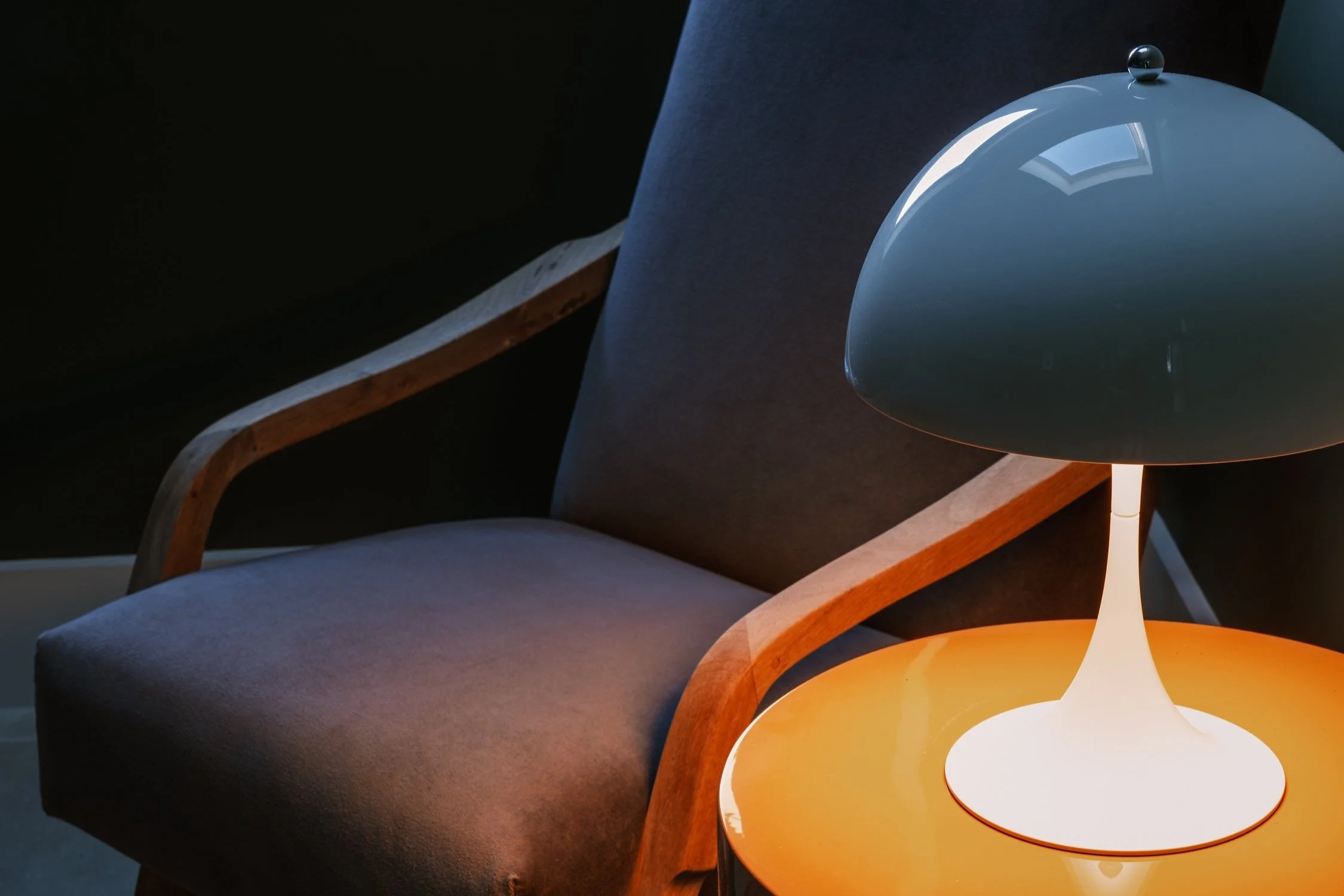
1. Think beyond the big light
Lighting has an large influence on how a home feels. Instead of relying on one overhead fitting, layer your lighting throughout the room with table lamps, wall lights, floor lamps and dimmable fittings. This creates warmth, depth, and flexibility as the day and seasons changes. A room should feel just as inviting at 7pm as it does at 10am.
2. Let your furniture encourage conversation
One of the most common mistakes we see is furniture arranged around the television rather than around the people using the room. Even a subtle adjustment, bringing seating closer together or angling chairs towards one another, can completely change how a space feels. Great design should encourage connection.
3. Create moments of calm
Not every surface needs styling. Not every corner needs furniture. Allowing a room to breathe gives the eye somewhere to rest and creates a sense of quiet confidence. Often, luxury is found in restraint.
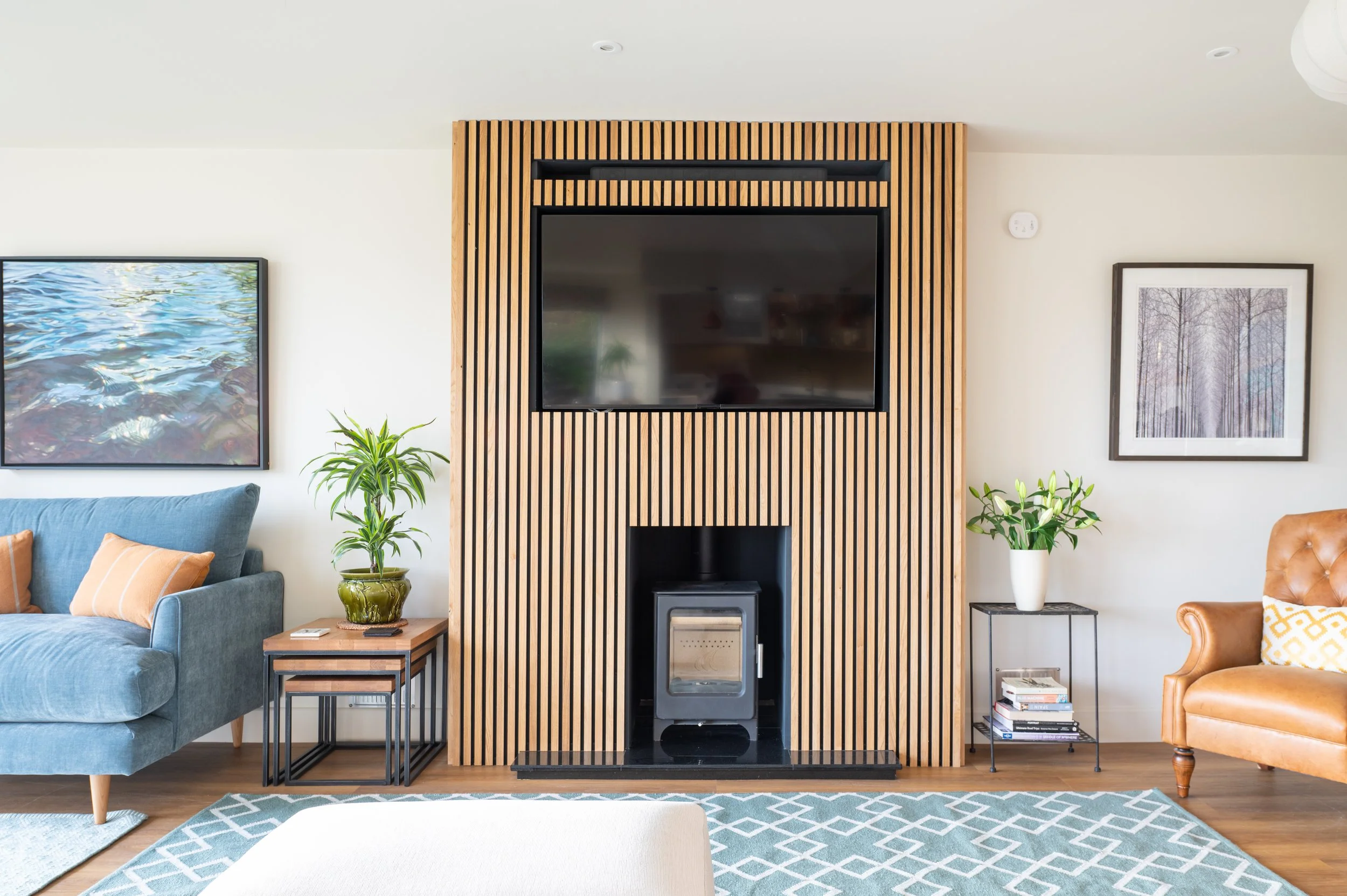
4. Appeal to more than one sense
The homes we remember are rarely memorable because of how they looked alone.
They also felt warm underfoot.
They sounded peaceful.
They carried the scent of fresh flowers or timber.
Layering natural textures, soft fabrics, thoughtful acoustics, and subtle fragrance creates a home that feels comforting on every level.
5. Surround yourself with what matters
A welcoming home should tell your story.
Favourite books.
Artwork collected over time.
Objects that remind you of people, places, or experiences.
These personal details bring warmth and authenticity that no showroom can replicate. A home becomes truly inviting when it reflects the lives lived within it.
Luxury is how a home makes you feel
There is often a misconception that luxury is defined by expensive materials or impressive finishes. In reality, the homes that stay with us are usually the ones that feel effortless.
They support everyday routines.
They create calm at the end of a busy day.
That feeling cannot be bought from a catalogue.
It is created through thoughtful design, careful planning, and an understanding of how people want to live.
Final Thoughts
Perhaps the greatest measure of a well-designed home is not how it looks in a photograph. It is how it feels when you return to it. A home should welcome you at the end of a long day. It should support your routines, encourage connection, and offer a sense of comfort that cannot quite be explained.
Because ultimately, the most successful interiors are not simply beautiful.
They make coming home the best part of the day.
