
There is something wonderful about a home when it is full. The dining table becomes the centre of conversation. People move between the kitchen and sitting room. Someone settles into a favourite chair while others gather around the island. Drinks are poured, music is playing, and suddenly the spaces within a home feel connected in a way they perhaps don't on an ordinary day.
These moments are often when you discover whether a home really works. Because designing for entertaining isn't simply about having a beautiful dining room or an impressive kitchen. It is about creating spaces that encourage people to move, gather and stay.
Start with how you actually entertain
Before choosing furniture or finishes, consider how you really use your home.
Do you host long, formal dinners? Weekend lunches with family? Drinks with friends? Large gatherings where people move between the kitchen, dining room and sitting room? There is no single definition of entertaining, and the design should reflect your own.
Think about where people naturally gather, which rooms become overcrowded, where conversations tend to happen and which spaces are rarely used. These observations can reveal much more than a floor plan alone.
Think about the journey through the home
Good entertaining design begins before anyone sits down.
Consider the experience from the moment guests arrive. Is there somewhere for coats and bags? Is the route into the main living spaces clear? Can someone move easily from the kitchen to the dining room without navigating around furniture? Small frustrations become much more noticeable when a house is busy.
Clear circulation routes, practical storage and thoughtful furniture placement can make a significant difference. The aim isn't to create a space that feels empty or overly functional, but one where movement happens naturally.

Create more than one place to gather
Not everyone wants to sit around the dining table for an entire evening.
A well-designed home offers different places to settle into, perhaps a dining table for dinner, a kitchen island for casual conversation, a comfortable sofa for longer evenings and a smaller pair of chairs for quieter conversations.
Creating these different moments allows guests to naturally disperse throughout the home. It also means the house can accommodate different types of entertaining without needing to be rearranged every time.
Don't underestimate the dining table
The dining table is often one of the most important pieces of furniture in a home designed for entertaining.
Scale matters. A table that is too large can dominate a room, while one that is too small can make a gathering feel cramped. Think about the space around it, too. Chairs need enough room to move comfortably, and there should be clear routes around the table.
The right dining space should feel generous without becoming formal or imposing. And, importantly, it should work just as well for a quiet family meal as it does for a table full of guests.
Let the kitchen be social, without becoming the whole party
For many homes, the kitchen is where everyone ends up. That can be wonderful, but it can also create congestion.
If the kitchen is going to be a natural gathering point, consider how people will stand, sit and move through the space. An island can provide an informal place to perch, while nearby seating can allow guests to remain connected without getting in the way of whoever is cooking.
The goal isn't to prevent people from gathering in the kitchen. It's to make that gathering feel intentional.
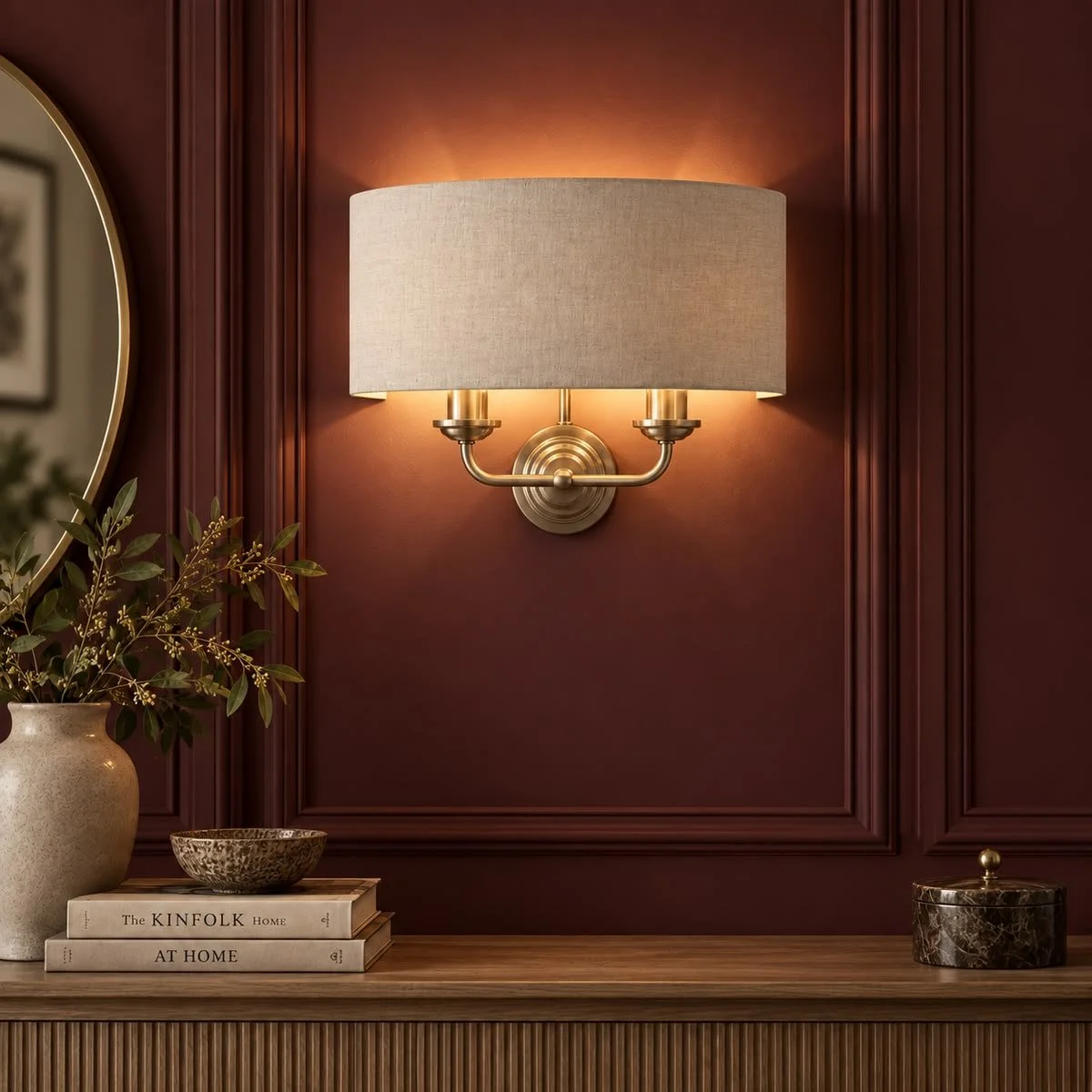
Photo credit - Pinterest
Layer the lighting
Lighting becomes particularly important once evening arrives.
A room that feels beautiful during the day can feel completely different when illuminated by a single overhead light.
Instead, consider several layers: wall lights, table lamps, floor lamps, picture lights and carefully positioned architectural lighting. This creates softer pools of light throughout the room and allows the atmosphere to change as the evening progresses. For entertaining, flexibility is particularly valuable. Bright, functional lighting might be useful earlier in the evening, while softer, warmer illumination creates a more intimate atmosphere later on.
Make the seating comfortable
Beautiful furniture is only successful if people actually want to sit in it. When choosing sofas, armchairs and dining chairs, consider proportion, depth, height and upholstery as well as appearance. For entertaining, comfort is especially important. People tend to stay longer when they feel relaxed.
And don't assume that every seat needs to face the television or the same focal point. Arranging furniture to encourage conversation can completely change how a room is used.
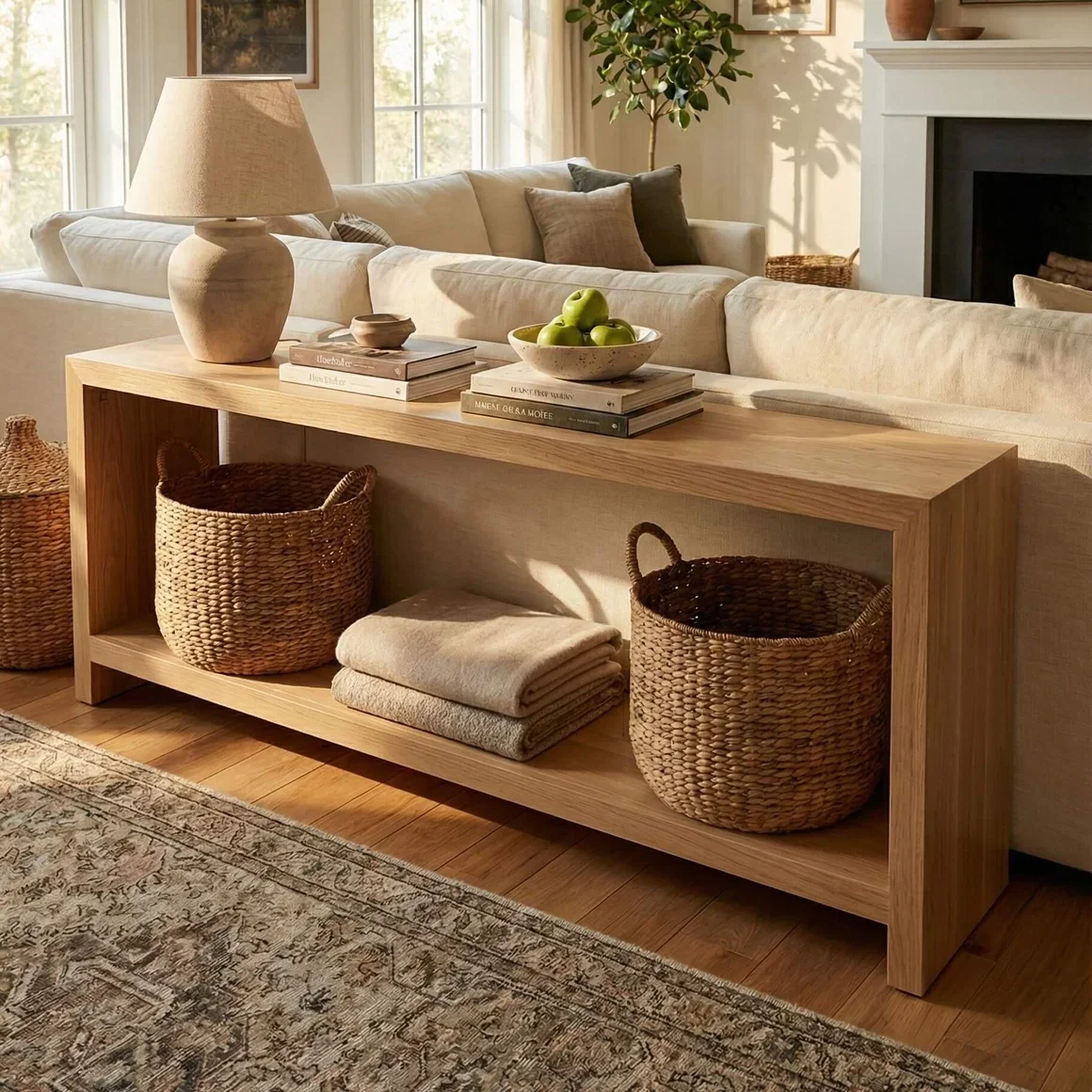
Photo credit - Ashford Blake
Give guests somewhere to put things
One of the less glamorous details of entertaining is also one of the most useful. Where does someone put their glass? Their phone? A book? A plate? Side tables, consoles, occasional tables and other smaller surfaces can make a room much more comfortable without becoming visually cluttered. These pieces also provide an opportunity to introduce materials, texture and character into the room.
Good design often comes down to anticipating these small moments.
Consider acoustics
When a home is full of people, sound changes. Hard flooring, large expanses of glass and minimal furnishings can create an echoing environment, particularly in open-plan spaces.
Soft furnishings, curtains, rugs, upholstered furniture and layered textiles can help absorb sound and make conversation more comfortable. This is a detail that is easy to overlook when designing a room visually, but it can have a significant effect on how a space feels when it is occupied.
Make it beautiful - But not precious
Perhaps the most important consideration is how a home makes people feel. A space can be sophisticated without feeling untouchable. Materials that develop character over time, durable upholstery, natural stone, timber and considered textiles can all create a sense of luxury while still allowing a home to be lived in. The aim isn't perfection.A home designed for entertaining should be able to accommodate a spilled glass of wine, children moving through the room, friends staying late and an impromptu dinner that turns into something much longer.
Luxury doesn't have to mean precious.
Think about the spaces between rooms
Some of the most successful entertaining homes aren't necessarily those with the largest rooms. They are the ones where spaces connect naturally. A dining room that opens towards a sitting room. A kitchen that leads naturally into a family space. A hallway that feels like part of the experience rather than simply a route from one room to another. These transitions matter. Materials, colours, lighting and architectural details can be used to create continuity throughout the home without making every room identical.
The result is a house that feels considered as a whole.
Design for the way you want to feel
Ultimately, entertaining is less about impressing people and more about creating an environment where people want to stay. The best homes encourage conversation. They make it easy to move around. They offer comfortable places to sit, flattering lighting and enough flexibility to accommodate different occasions. Most importantly, they allow the people living there to enjoy their own home while guests are in it. Because the real luxury of entertaining well is not having everything perfectly arranged. It's being able to open the door, welcome people in and feel completely at ease.
A thoughtfully designed home should do exactly that.
The Takeaway
When designing a home for entertaining, consider:
How people naturally move through the house
Where guests are likely to gather
Whether there are enough different places to sit
The scale and position of the dining table
How the kitchen functions when several people are using it
Layered lighting for different times of day
Comfortable, conversation-friendly seating
Convenient surfaces for drinks and personal belongings
Acoustics and the use of soft furnishings
Materials that feel luxurious without being overly precious
How individual rooms connect to one another
Most importantly, how you want your home to feel when it is full of people
The most successful entertaining spaces don't feel as though they have been designed solely for entertaining.
