
A Mid-Year Pause: What’s No Longer Working in Your Home?
There is something about the middle of the year that invites reflection.
Not in the dramatic, resolution-driven way that January often does, but more quietly. By June, routines have settled, daily life has revealed its patterns again, and the home has been lived in long enough for its strengths and shortcomings, to become more visible.
It is often at this point that people begin to notice a subtle sense of friction within their space. Not necessarily anything obvious. More often, it is a feeling that certain rooms are not functioning as effortlessly as they could. Spaces feel underused. Storage not quite working. A layout that once seemed fine begins to feel restrictive or disconnected from day to day life. Usually, clients can sense something is wrong before they can articulate exactly what it is. And often, that instinct is correct.
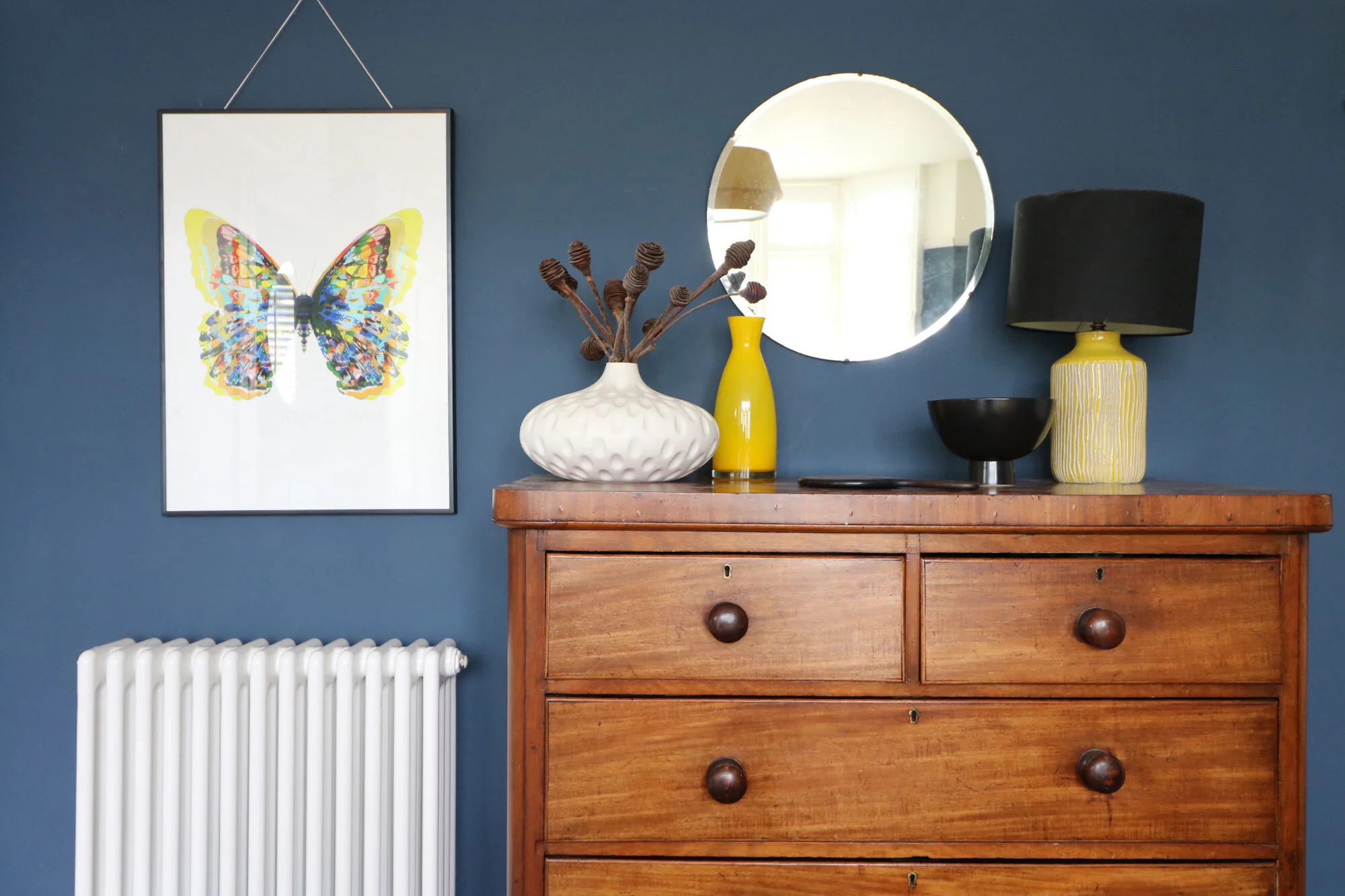
Homes reveal themselves over time
The true success of a home is rarely measured immediately after completion.
A beautifully styled room can photograph well from the beginning, but real design reveals itself gradually, through everyday living, routine, movement, and habit. Over time, homes either begin to support life more naturally or quietly create resistance within it. This is why certain frustrations tend to emerge months or even years later.
Perhaps a kitchen lacks flow when multiple people are using it. A living space feels visually impressive but rarely encourages anyone to fully relax. Lighting works during the day but falls flat in the evening. Storage exists, yet not where it is actually needed. Individually, these issues may seem small. Collectively, they shape how a home feels to live in.
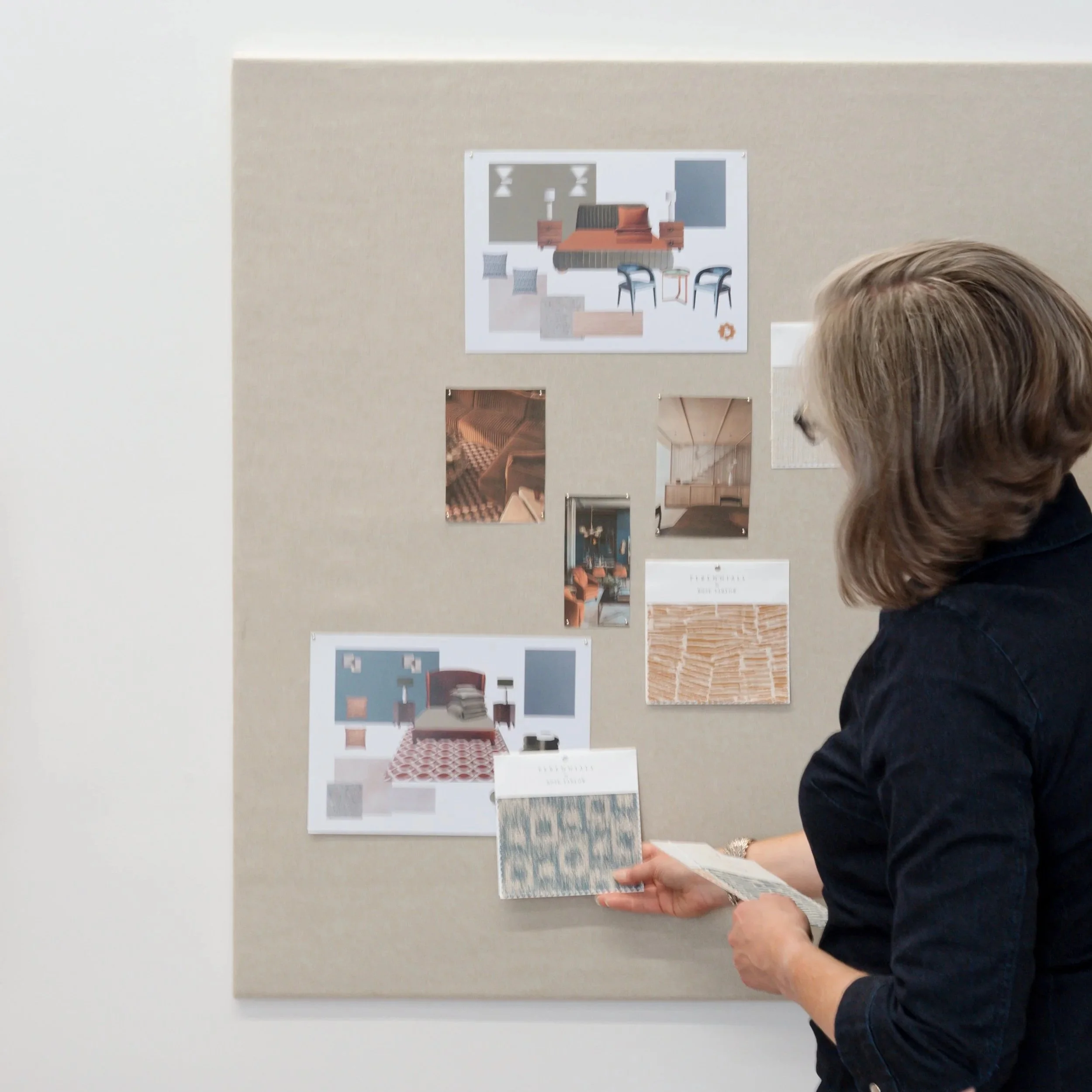
The difference between decoration and design
Many of the problems people experience in their homes are not aesthetic at all. They are functional, emotional, or spatial. This is often where the distinction between decoration and interior design becomes most apparent. Decoration changes how a space looks. Design changes how it works. A well-designed home considers movement, rhythm, proportion, natural light, routine, and the emotional experience of living within a space. It anticipates practical needs before they become frustrations. Often, the most successful design decisions are the ones that go unnoticed because they simply feel intuitive.
When something repeatedly feels inconvenient or unresolved within a home, it is rarely a sign to immediately renovate everything. More often, it is an invitation to observe more carefully.
You avoid certain rooms
One of the clearest indicators is often behavioural. If there are rooms you rarely use despite investing in them, it is worth asking why. Sometimes the issue is layout. Sometimes lighting. Sometimes the room simply does not support the way you naturally live.
How to improve it:
Reassess the room’s purpose rather than forcing its original function
Remove unnecessary furniture to improve flow and openness
Introduce softer lighting to create warmth and atmosphere
Consider whether seating encourages conversation and comfort
Layer texture through upholstery, rugs, and curtains to make the room feel more inviting
Often, a room becomes more successful when it reflects how life is actually lived, rather than how it was initially imagined.
Storage exists - but not quite where you need it
A home can have plenty of storage and still feel disorganised. The issue is often not quantity, but placement. The most effective storage supports daily habits intuitively, reducing visual noise and making routines feel calmer.
How to improve it:
Observe where clutter naturally accumulates, this usually reveals where storage is missing
Prioritise concealed storage in high-use areas to reduce visual overwhelm
Integrate storage closer to where items are used rather than where space simply allows
Use joinery to create more intentional, architectural solutions
Edit regularly, even beautifully designed homes require thoughtful restraint
Good storage should feel almost invisible within the home.
Your home feels more stressful at busy times of day
Morning bottlenecks, overcrowded kitchens, or poorly functioning transitions between spaces are often signs the home is no longer supporting daily life efficiently.
How to improve it:
Identify where movement patterns overlap or interrupt each other
Create clearer zones within open-plan spaces
Reconsider furniture placement to improve circulation
Introduce secondary surfaces where daily routines naturally happen
Improve entryways with better lighting, storage, and seating
Sometimes relatively small spatial changes can dramatically improve how calm a home feels.
The lighting only works at certain times
Many interiors are designed around daylight without enough consideration for how the home feels after sunset.
If rooms begin to feel flat, overly bright, or uncomfortable in the evening, layered lighting may be missing.
How to improve it:
Replace reliance on overhead lighting with layered sources
Introduce table lamps, wall lights, and softer pools of light
Use dimmers to create flexibility throughout the day
Consider warmer bulb temperatures for a softer atmosphere
Focus lighting on how a room should feel, not simply how bright it should be
Well-considered lighting changes the emotional experience of a home entirely.
The space looks beautiful - but doesn’t feel relaxing
A room can appear visually successful while still feeling emotionally unresolved. Sometimes this comes from scale, layout, clutter, lack of softness, or simply too many competing elements within a space.
How to improve it:
Introduce more tonal consistency across materials and finishes
Balance harder architectural lines with softer textures
Reconsider scale, oversized or undersized furniture can subtly create tension
Leave more negative space within the room rather than filling every area
The most luxurious interiors are often the ones that feel composed, calm, and easy to inhabit.
Thoughtful change over reactive change
There can be pressure to approach interiors reactively, replacing furniture, repainting rooms, or making impulsive updates in the hope that the home will somehow feel different afterwards.
Yet the most effective changes are usually strategic rather than immediate.
Before making significant changes, it can help to ask:
Which spaces genuinely support daily life well?
Where does frustration appear repeatedly?
Which rooms feel easiest to spend time in and why?
Is the issue aesthetic, practical, or emotional?
Does the home reflect how life is lived now, rather than several years ago?
A considered design process starts by understanding why something feels unresolved in the first place. Sometimes the answer is spatial. Sometimes emotional. Sometimes practical. Often, it is a combination of all three.
Final thoughts
A mid-year pause offers something valuable: perspective.The opportunity to notice what feels effortless within a home and what quietly does not. To identify the small points of friction that affect daily life more than expected. And to approach those issues thoughtfully rather than reactively. Often, the most meaningful design changes begin not with a dramatic renovation, but with a simple realisation:
Something no longer feels quite right.
And understanding why is usually the beginning of creating your perfect home.
