
Entertaining at Home: The Importance of Flow and Layout
April changes how we use our homes.
The evenings feel longer. Windows open earlier and friends stay later.
And suddenly, spaces that felt perfectly comfortable in January months are asked to do something more.
They’re asked to host.
For many homeowners, this is when a quiet frustration surfaces. The room looks beautiful. The furniture is well chosen. Everything feels considered, until people arrive. Then the layout falters, this is when it’s important to consider the flow of layout.
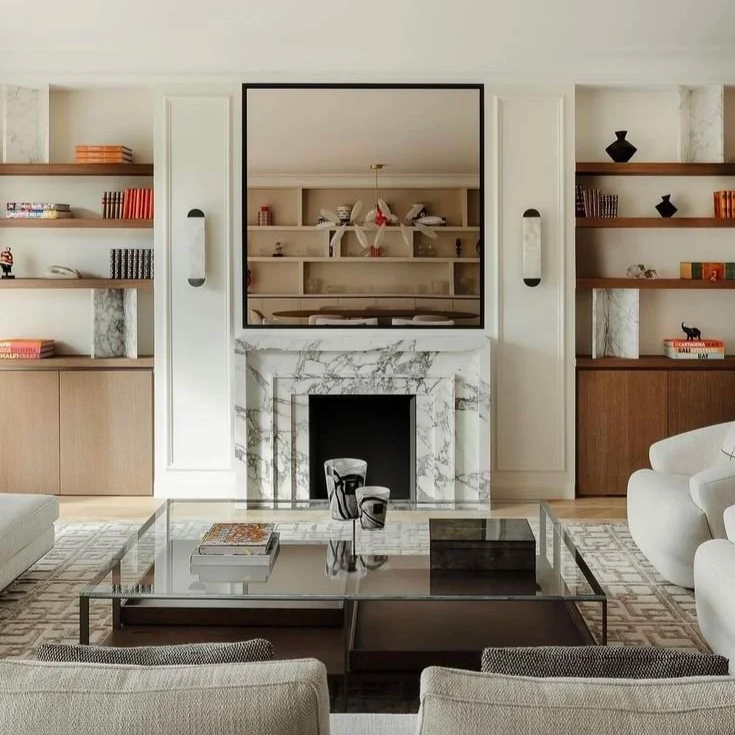
Photo credit - Pinterest
When a beautiful room doesn’t work
This is a common tension.
The sofa faces the fireplace perfectly - but cuts off circulation.
The dining table looks elegant - but feels cramped when chairs are pulled out.
Guests hover in the kitchen - because nowhere else quite invites them to settle.
On paper, the space works.
In practice, it doesn’t quite breathe.
Entertaining reveals what everyday living can hide: awkward pathways, unclear seating logic, underused corners.
Why flow matters more than furniture
Furniture can be exquisite, but if movement through a room feels disrupted, the experience never fully relaxes.
Good flow means:
Clear, intuitive pathways through a space
Seating that encourages conversation rather than isolation
Sightlines that connect rooms rather than closing them off
Natural gathering points that don’t block circulation
When these elements align, hosting feels effortless, not stressful.
And that is what guests remember.
Where to refine before hosting season
1. Rethink circulation
Walk through your home as if arriving for dinner. Is there an obvious path from entry to living space? From living space to dining table? Guests should never feel as though they’re navigating obstacles.
Sometimes shifting a console by 20 centimetres or angling a chair differently is enough to open the room.
2. Adjust seating logic
A single long sofa often creates a “front-facing” arrangement. Introducing a pair of chairs or repositioning existing seating can encourage conversation and balance the room.
3. Consider sightlines
From where you sit, what do you see?
A clear view into the garden, a glimpse of the dining table set for later, soft lighting layered across rooms, these visual connections create atmosphere and cohesion.
When rooms feel visually connected, they feel socially connected.
4. Activate underused corners
That empty corner or overlooked alcove can become a drinks station, a reading chair, or a secondary seating moment during larger gatherings.
Spaces that feel redundant during the week often become invaluable when hosting.
5. Create natural pause points
Not everyone wants to sit immediately. A beautifully styled console near the entry, a small side table with space for a glass, or a bench near the kitchen allows guests to land comfortably.
It’s these subtle gestures that elevate the experience.
If your home feels slightly awkward once guests arrive, if circulation stalls or seating never quite settles, a considered review of layout can make a remarkable difference. Often, it’s not about redesigning entirely, but refining how each room supports real life. A thoughtful adjustment to flow can transform not just how your home looks, but how it feels to host within it.
